Lack of Social Smile in Infants: An Early Autism Sign?
In short: While many infants smile socially by 2-3 months, some infants with autism may show a lack of social smiling or delayed smiling. This early sign doesn't mean a diagnosis, but it's worth discussing with your pediatrician. Early intervention, including ABA therapy, can help build social communication skills.
Key takeaways
- Lack of social smile is one possible early sign of autism, but it is not definitive on its own.
- Infants typically develop social smiles around 2-3 months of age.
- If your infant rarely smiles in response to you, consult your pediatrician for a developmental screening.
- Early intervention services like ABA therapy can improve social communication and interaction.
What Is a Social Smile and When Does It Typically Develop?
A social smile is a purposeful, responsive smile that an infant directs at a caregiver during interaction. Unlike a reflexive smile (which can occur in sleep or from gas), a social smile is a joyful, back-and-forth exchange. It usually emerges between 2 and 3 months of age, though every baby develops at their own pace. This milestone is a key part of early social communication and bonding.
Typical Developmental Milestones
By 2 months, most babies begin to smile in response to faces and voices. By 3 months, they often smile intentionally during interactions, show pleasure when you smile at them, and may even coo or make sounds. Between 4 and 6 months, social smiling becomes more frequent and can accompany other social behaviors like eye contact and babbling. Missing these milestones does not automatically mean autism, but it is a reason to monitor development closely.
🔗 Related reading: TRICARE ABA Therapy South Carolina: Your Complete Guide · Nearby ABA Therapy
Lack of Social Smile as an Early Sign of Autism
Research shows that a reduced or absent social smile can be one of the earliest behavioral signs of autism spectrum disorder (ASD). Many parents of children later diagnosed with autism recall that their baby rarely smiled in response to them, or that the smiles seemed limited or out of context. It is important to understand that this is just one piece of a larger picture.
What Research Says
Studies of home videos have found that infants who go on to receive an autism diagnosis often display fewer social smiles and less reciprocal smiling compared to typically developing peers-sometimes as early as 6 months. However, social smiling develops differently in every child. Some autistic infants do smile socially, but the quality or frequency may differ. A lack of social smile is considered a "red flag" but not a standalone diagnostic criterion.
Other Early Signs to Watch For
Other early signs that may accompany a lack of social smile include: limited eye contact, not responding to their name by 12 months, decreased babbling, reduced imitation of sounds or gestures, aversion to touch or physical affection, and unusual reactions to sensory input. If you notice several of these signs together, it is wise to seek a professional evaluation.
Should I Worry If My Infant Doesn't Smile Socially?
First, know that you are not overreacting. Many families feel a deep intuition that something is different. While a lack of social smile alone is not enough to diagnose autism, it does warrant attention. Every baby is unique, but early signs deserve a cautious and proactive response.
When to Consult a Professional
If your baby is 3 months old and rarely or never smiles in response to you, or if by 6 months they are not smiling intentionally during interactions, talk with your pediatrician. They can administer a developmental screening and, if needed, refer you to a specialist. You can also contact your state's Early Intervention program (Part C of IDEA) for a free evaluation if your child is under 3 years old. Early intervention is available even without a formal autism diagnosis.
The Importance of Early Intervention
Early intervention can have a profound impact on outcomes. For children with autism, therapies that target social communication can build foundational skills. Applied Behavior Analysis (ABA) therapy is one such evidence-based approach. With early support, many children learn to engage meaningfully with caregivers and peers. The earlier therapy begins, the more potential for growth.
🔗 Related reading: ABA Therapy Success Stories for 3-Year-Olds: Real Wins · Apply for ABA
How ABA Therapy Can Help Infants and Toddlers at Risk
ABA therapy uses principles of learning and behavior to teach new skills, reduce challenging behaviors, and increase positive interactions. For very young children, ABA is play-based and family-centered. A Board Certified Behavior Analyst (BCBA) designs a program tailored to your child's unique needs.
Building Social Communication Skills
In ABA, therapists work first on foundational skills such as joint attention (sharing focus with an adult on an object or event), eye contact, and imitation. These are building blocks for social smiling and other interaction. Over time, children learn to initiate and respond to social overtures in natural settings. Programs often include activities that encourage smiling, like peek-a-boo, tickles, and singing with exaggerated facial expressions.
Family Involvement
Caregivers are integral to ABA therapy. Parents learn strategies to support social engagement throughout daily routines-mealtime, bath time, play. The goal is to create many small, joyful moments of connection. With consistent practice, many children increase their social smiling and responsiveness.
Costs and Insurance Coverage for ABA Therapy
ABA therapy is a substantial investment, but it is widely covered by insurance and public programs. The cost without coverage can range from $50 to $150 per hour, requiring 10-40 hours per week. However, families rarely pay these rates out-of-pocket.
Medicaid and Private Insurance
Medicaid (including Children's Health Insurance Programs) covers ABA therapy in all states for children with an autism diagnosis. Most private health insurance plans also cover ABA under mental health or habilitative benefits. Many states have autism insurance mandates. The key is to find a provider who accepts your plan and can verify benefits. Local ABA Therapy works with families nationwide to navigate insurance and connect them with BCBA-led providers who accept a wide range of plans, including Medicaid.
Free Matching Service for Families
As a free service, we help you find vetted ABA providers in your area. We consider your location, insurance, and preferences to recommend programs that are a good fit. There is no cost to you-we are compensated by the providers when you enroll. We can also assist with insurance verification and answer questions about coverage.
Practical Tips for Encouraging Social Engagement
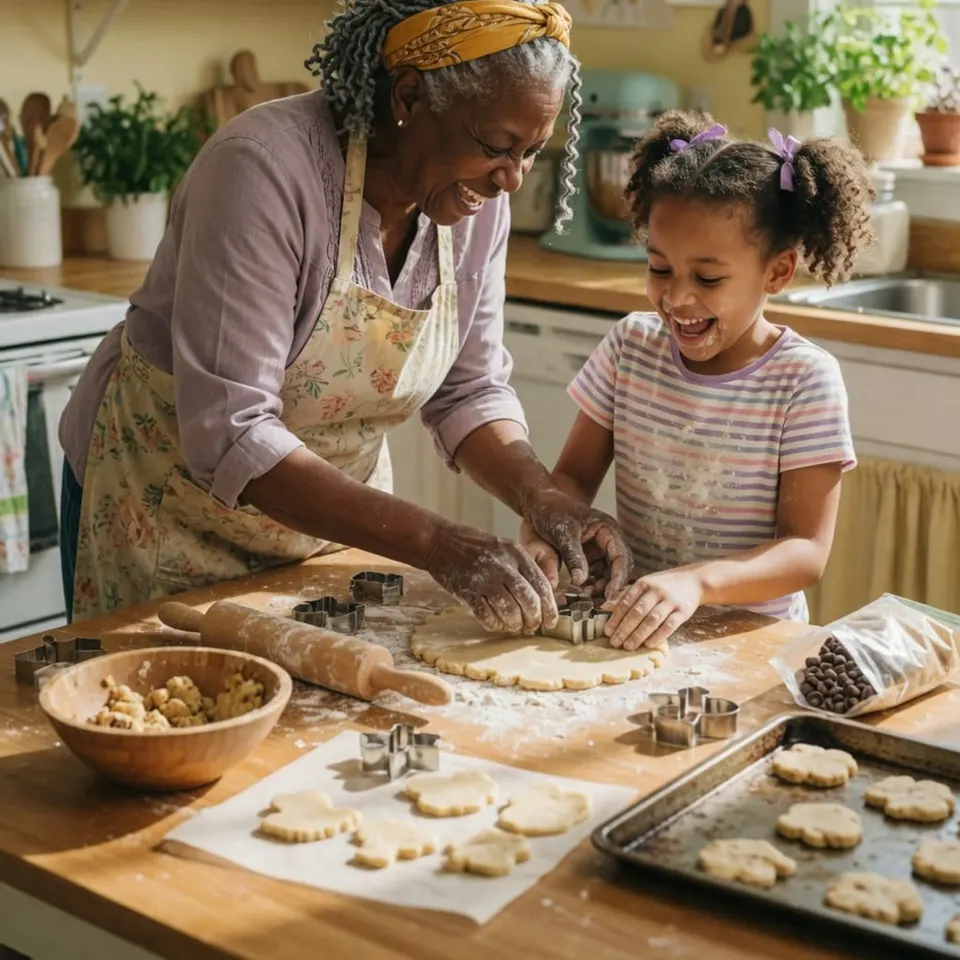
While you wait for an evaluation or start of therapy, you can foster social interaction at home using simple, joyful techniques.
Activities to Try at Home
Get face-to-face with your baby. Make slow, exaggerated smiles and pause, waiting for a response. Use animated expressions and a warm, high-pitched voice. Play games with turn-taking, like rolling a ball back and forth or making silly sounds. Sing songs with repetitive gestures (e.g., "Itsy Bitsy Spider," "Pat-a-Cake"). Avoid overstimulation; if your baby looks away, give them a break. Respect their cues and follow their lead.
Mistakes to Avoid
Do not force eye contact or social smiling by holding your baby's head still. This can cause distress. Avoid constant testing or worry-trust the process and focus on building positive interactions. Do not assume lack of smiling is a sign of poor parenting; you are doing great. And do not delay seeking help thinking you should wait and see. If your gut says something is off, act on it. A quick screening can bring reassurance or early support.
Getting Support: The Next Steps for Your Family
If you are concerned about your infant's lack of social smiling, start by talking with your pediatrician. Ask for a developmental screening. Contact your local Early Intervention program for an evaluation if your child is under 3. And if you want to explore ABA therapy, Local ABA Therapy can help match you with a BCBA-led provider who understands early childhood development. Our service is free, and we work with families every day who are taking this first step. You do not have to navigate this alone. Many children who do not smile early go on to develop beautiful, unique ways of connecting when given the right support.