How Ohio Families Combine ABA with Speech & OT
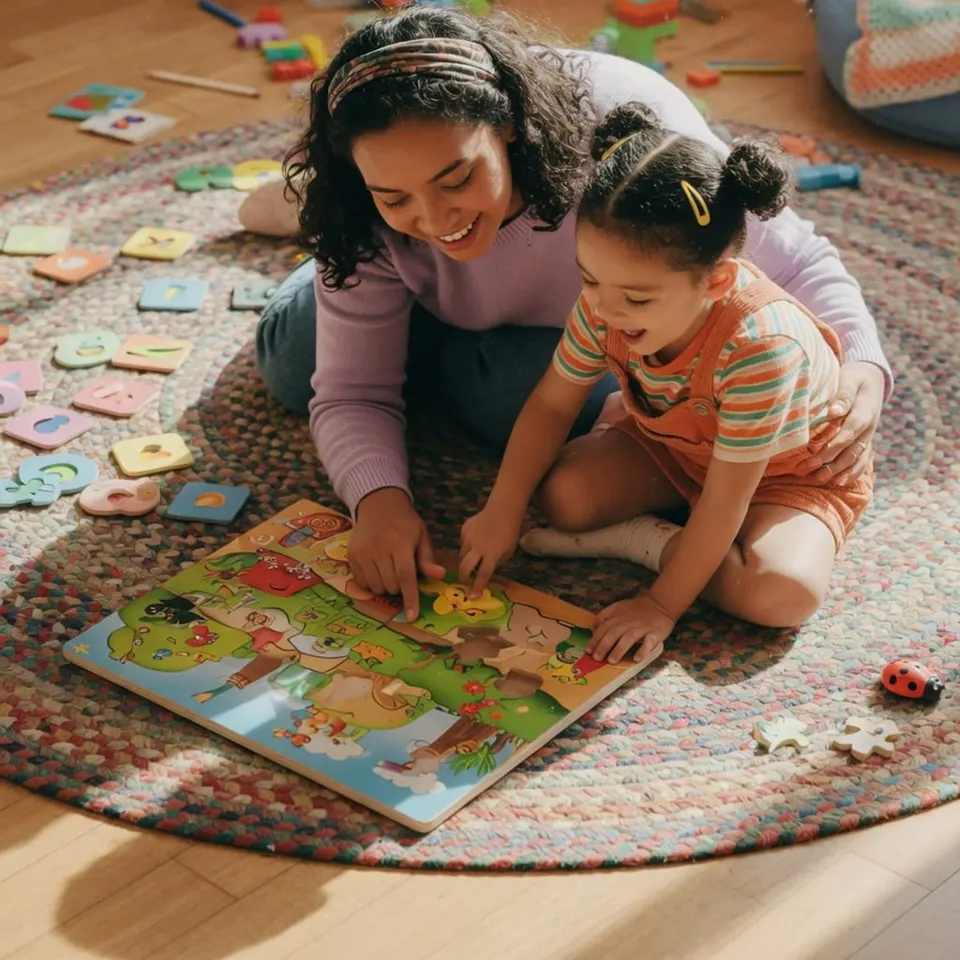
In short: Combining ABA, speech, and OT allows Ohio families to address behavior, communication, and sensory-motor needs together. Therapists share goals and strategies so interventions reinforce each other. Most private insurance and Ohio Medicaid cover these therapies, and a free matching service can connect you to BCBA-led providers who collaborate with other professionals.
Key takeaways
- ABA, speech, and OT work best when therapists communicate regularly and align on shared goals.
- Ohio Medicaid and most private insurance plans cover ABA, speech, and OT for autism.
- Coordinated care reduces therapy fatigue for the child and increases overall progress.
- Early intervention programs in Ohio (ages 0-3) can include all three therapies through Help Me Grow.
Why Combine ABA, Speech, and OT?
Raising a child on the autism spectrum means supporting many different areas of development at once. Applied Behavior Analysis (ABA) therapy focuses on increasing helpful behaviors and reducing challenging ones, while speech-language pathology targets communication skills, and occupational therapy addresses sensory processing, fine motor skills, and daily living tasks. When these therapies work in isolation, children may receive mixed messages or struggle to generalize skills across settings. By combining them, Ohio families create a unified plan where each therapy reinforces the others.
The Holistic Advantage
Think of it like building a house: ABA lays the foundation for learning and behavior, speech builds the walls of communication, and OT adds the windows and doors that let the child interact with the world comfortably. Without all three, the structure is incomplete. Many families find that progress accelerates when therapists collaborate. For example, an ABA therapist might help a child remain calm during a speech session, or an OT can suggest sensory strategies that make ABA more effective.
Ohio families have access to a wide network of providers, but finding those who truly collaborate takes effort. A free matching service like Local ABA Therapy can connect you to BCBA-led providers who are accustomed to working alongside speech and occupational therapists.

🔗 Related reading: Autistic Child Screaming All Day? ABA Therapy Can Help · Nearby ABA Therapy
Understanding Each Therapy's Role
ABA Therapy (Applied Behavior Analysis)
ABA uses principles of behavior to teach new skills and reduce behaviors that interfere with learning. A Board Certified Behavior Analyst (BCBA) designs and oversees the program. Sessions often target communication, social skills, self-care, and academic readiness. ABA is data-driven, meaning progress is measured regularly.
Speech-Language Pathology
Speech therapy addresses verbal and nonverbal communication, including articulation, language comprehension, social pragmatics, and augmentative/alternative communication (AAC) devices. Speech-language pathologists (SLPs) help children express their needs, engage in conversation, and understand social cues.
Occupational Therapy
OT focuses on sensory integration, fine motor skills, self-regulation, and activities of daily living such as dressing, feeding, and grooming. Occupational therapists (OTs) help children manage sensory sensitivities, improve hand-eye coordination, and build independence.
When these three disciplines converge, they cover the most critical areas of development for autistic children. A child who learns to request a break (speech goal) using a calm hand raise (ABA) while staying regulated in a bright room (OT) is making progress on all fronts simultaneously.
How Ohio Families Coordinate Care
Coordination starts with open communication. Many families in Ohio create a shared document (like a Google Doc) where therapists can post weekly updates, goals, and strategies. Some providers offer joint sessions where two therapists work with the child at the same time. For instance, an SLP might run a social skills group while an ABA therapist provides behavioral support.
Setting Shared Goals
The BCBA, SLP, and OT should meet every few months to review progress and adjust goals. Parents are the linchpin, sharing what works at home and what challenges arise. A common goal might be: "The child will independently request a preferred snack using a picture card (speech), while tolerating a 2-minute wait (ABA), and will sit at the table using a weighted lap pad (OT)."
Communication Tools and Parent Involvement
Many Ohio providers use apps or portals for daily session notes. Parents can then share these notes across therapy teams. Some families schedule monthly phone calls with all providers. If you are working with an BCBA-led agency through a free matching service, ask whether they have experience coordinating with outside speech and OT providers.

🔗 Related reading: Insurance Denied ABA Therapy Appeal: Step-by-Step Guide · Apply for ABA
Insurance and Funding in Ohio
Ohio mandates that commercial health insurance plans cover the diagnosis and treatment of autism spectrum disorder, including ABA therapy. Most plans also provide coverage for speech and occupational therapy when deemed medically necessary. However, coverage details vary-always call your insurance to confirm copays, deductibles, and session limits.
Ohio Medicaid Coverage
Ohio Medicaid covers ABA, speech, and OT for children under 21. The Ohio Department of Medicaid contracts with managed care plans (like Buckeye Health Plan, CareSource, and Molina). Families must get prior authorization, but once approved, services are usually covered with minimal cost-sharing. Ohio's Early and Periodic Screening, Diagnostic and Treatment (EPSDT) benefit ensures medically necessary therapies are covered.
Early Intervention (Help Me Grow)
For children ages 0 to 3, Ohio's Help Me Grow program provides early intervention services, including speech and OT, at no cost to families. ABA is not always available through Help Me Grow, but families can combine it via private insurance or Medicaid once a diagnosis is obtained. The transition from early intervention to school-based services at age 3 is another important juncture where coordination matters.
What a Combined Therapy Plan Looks Like
A typical week might include:
- ABA: 10-20 hours per week, often in-home or at a clinic
- Speech: 1-2 sessions per week, 30-60 minutes each
- OT: 1-2 sessions per week, varying durations
Providers can overlap: some clinics house multiple disciplines under one roof, making joint sessions easier. Telehealth options also allow therapists to observe and advise remotely. For example, an OT might coach a parent via video while an ABA therapist works with the child in person. The key is that all therapies are working toward a coherent vision, not competing.
Sample Integration Example
Consider a 5-year-old who has trouble transitioning between activities. The BCBA creates a visual schedule (ABA). The SLP uses the same schedule to teach the words "first/then" (speech). The OT ensures the child is seated with a sensory cushion to reduce fidgeting. Everyone uses the same language and sequence, making the routine predictable and successful.

Practical Tips for Success
- Start with a team meeting before therapy begins to align on priorities.
- Share data and videos so therapists see what the child is doing in other settings.
- Ask about parent training-many providers offer coaching so you can reinforce strategies at home.
- Use a central notebook or app to track daily notes across disciplines.
- Be patient with scheduling-coordinating calendars takes time, but the benefits are worth it.
- Consider a free matching service like Local ABA Therapy to find BCBA-led providers who are experienced in collaborative care and can recommend trusted speech and OT colleagues.
Common Mistakes to Avoid
- Assuming therapists will coordinate on their own. Always initiate communication and make it part of the plan.
- Overloading the child. Too many therapy hours can lead to burnout. Quality over quantity.
- Ignoring sensory needs. An overwhelmed child cannot learn-OT input is crucial for ABA and speech to work.
- Choosing providers who don't collaborate. Ask upfront whether they share goals and notes regularly.
- Forgetting to include school or daycare. If the child is in a preschool or early learning program, loop teachers in so strategies generalize.
How to Get Started with a Free Matching Service
If you are an Ohio family looking to combine ABA, speech, and OT, start by securing a BCBA-led ABA provider, since ABA often has the most hours and can serve as the anchor. A free service like Local ABA Therapy connects you with vetted providers in your area who understand the importance of multidisciplinary care. They can also help you navigate insurance and Medicaid questions, saving you time and frustration.
Once you have an ABA provider, ask them for referrals to speech and OTs they have collaborated with before. Many have trusted partners. Then schedule a joint intake meeting to set shared goals. With the right team, your child can thrive across all areas of development.