Avoiding Eye Contact in Toddlers: ABA Strategies That Help
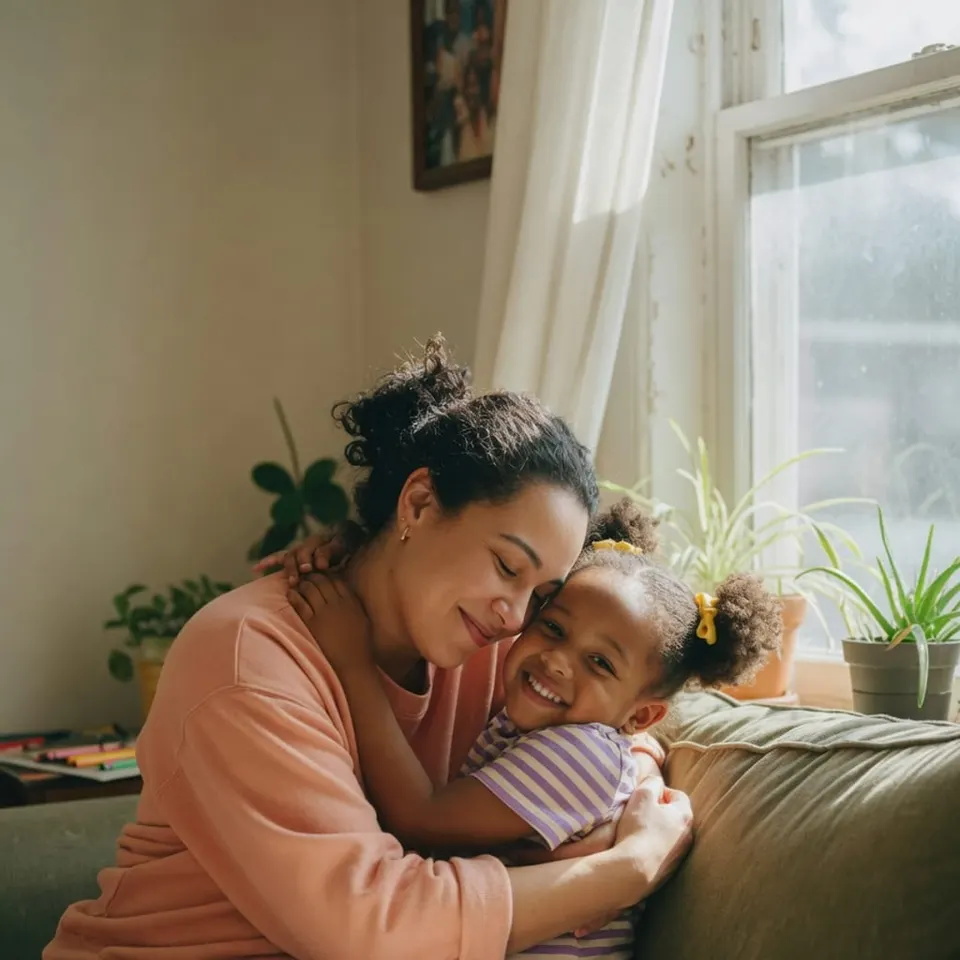
In short: Eye contact avoidance is common in toddlers and not always a sign of autism. ABA therapy offers individualized strategies to encourage social engagement without forcing eye contact. If you are concerned, our free matching service can connect you with BCBA-led providers who respect your child's comfort.
Key takeaways
- Eye contact avoidance is a natural behavior; ABA targets functional communication, not forced eye contact.
- Effective ABA strategies focus on joint attention and reinforcing social engagement.
- Pushy eye contact demands can backfire; instead, use preferred activities and natural opportunities.
- A BCBA-led approach ensures strategies are tailored and ethical.
Understanding Eye Contact Avoidance in Toddlers
Many parents notice their toddler avoids looking directly at them during interactions. While this can be a typical part of development, it sometimes raises questions about social communication and possible autism spectrum disorder (ASD). It is important to approach this behavior without stigma. Avoiding eye contact does not mean a child is disinterested or rude; it may reflect sensory sensitivity, a focus on other stimuli, or a natural preference for looking at objects rather than faces.
In the context of ABA (applied behavior analysis) therapy, eye contact is not an end goal in itself. Instead, ABA focuses on helping children build meaningful social skills, such as joint attention, turn-taking, and responding to their name. A skilled BCBA (Board Certified Behavior Analyst) will assess each child's individual needs and develop strategies that respect their comfort level while gently expanding their social repertoire.

🔗 Related reading: How Texas Families Combine ABA, Speech & OT · Apply for ABA
Why Some Toddlers Avoid Eye Contact
Sensory and Neurological Factors
For many toddlers, especially those on the autism spectrum, direct eye contact can feel overwhelming or even painful. The visual input may be too intense, making it difficult to process other information like spoken words. This is not a choice; it is a sensory processing difference.
Social Communication Differences
Some children simply do not learn to use eye contact for social connection in the same way peers do. They may communicate effectively through other means, such as pointing, vocalizations, or moving toward an item of interest. ABA interventions can teach alternative ways to engage, such as looking in the direction of a caregiver's face without requiring sustained eye contact.
Developmental Variability
It is normal for toddlers to go through phases of decreased eye contact, especially when they are focused on exploring their environment. Many typically developing children also avoid eye contact at times. A temporary or situational pattern does not necessarily indicate a need for intervention. However, if the avoidance is consistent and accompanied by other communication delays, an evaluation by a developmental specialist or BCBA may be helpful.
Respectful ABA Strategies for Addressing Eye Contact
ABA therapy is most effective when it is individualized, positive, and respectful of the child's autonomy. The following strategies are commonly used by BCBAs to promote social engagement without forcing eye contact.
Joint Attention Activities
Joint attention is the shared focus on an object or event with another person. Building joint attention naturally leads to increased facial gazing. A therapist might hold a preferred toy near their own face, then move it to the child's line of sight. When the child looks at both the toy and the therapist's face, the child gets access to the toy. Over time, this can increase the duration and frequency of face-looks.
Shaping and Differential Reinforcement
Rather than requiring full eye contact, the therapist reinforces any approximation, such as a glance toward the face. Gradually, the criterion increases to longer or more consistent looking. This process, called shaping, keeps the learning positive and stress-free. Differential reinforcement ensures that the child is reinforced for engaging in the target behavior and not for engaging in incompatible behaviors (like turning away).
Natural Environment Teaching
Incorporating opportunities for eye contact into everyday routines makes the skill more functional. For example, during snack time, a parent might pause before handing a cracker to their child, waiting for a brief glance. The child learns that looking toward the caregiver can help them get what they want, reinforcing the behavior naturally.
Pairing with Preferred Activities
One of the most important ABA principles is pairing the therapist or parent with positive experiences. Before any demands are placed, the adult engages the child in highly preferred play. This creates a positive association, making the child more likely to look at the adult's face. Over time, the adult can introduce simple prompts for eye contact within the fun activity.

🔗 Related reading: How to Get an Autism Diagnosis in Oklahoma: A Step-by-Step Guide · Apply for ABA
What to Expect in ABA Therapy for Social Communication
When you work with a BCBA-led team, the first step is a comprehensive assessment. The BCBA will observe your child, interview you, and possibly use formal tools to understand your child's current social communication strengths and challenges. Based on this, a treatment plan is created with measurable goals. Eye contact goals are written functionally, for example: "Will look at the speaker's face for 2 seconds in response to a preferred item being shown, across 3 settings, for 4 out of 5 opportunities."
Data collection is a key part of ABA. The therapist tracks each trial to ensure the child is making progress. If a strategy is not working, it is adapted. This flexibility is a strength of ABA. Sessions may occur in-home, in-clinic, or in the community, depending on your family's needs and the provider's settings.
Our free matching service at Local ABA Therapy can connect you with vetted BCBA-led providers in your area who accept your insurance, including many state Medicaid plans. We help you compare options so you can find a provider that aligns with your values and your child's unique needs.
Costs and Insurance Coverage for ABA Therapy
ABA therapy is a medically necessary treatment for autism in all 50 states, and most private insurance plans that cover autism services (such as those mandated by state parity laws) include ABA. Additionally, Medicaid programs in most states cover ABA therapy for eligible children. Costs can vary widely depending on hours per week and location, but insurance typically covers a significant portion after deductibles and copays.
If you are seeking ABA therapy specifically for social communication goals like eye contact, insurance requires a formal autism diagnosis. However, even if your child does not have a diagnosis, early intervention services (such as those offered through state Early Intervention programs or private speech therapy) may be available. Our matching service can help you determine what coverage your plan offers and find providers who accept it.

Common Mistakes to Avoid When Addressing Eye Contact
- Forcing eye contact: Repeated demands like "Look at me" can create anxiety and resistance. Children may learn to comply but feel distressed. ABA should never be punitive or coercive.
- Overgeneralizing: Avoiding eye contact in one setting does not mean the same strategy works everywhere. A good BCBA will teach the skill in multiple contexts.
- Ignoring the child's sensory needs: If a child is overwhelmed, lowering lighting, reducing background noise, or taking breaks can help them engage more comfortably.
- Placing eye contact above all else: Communication is the ultimate goal. If a child can effectively communicate their needs without sustained eye contact, that is fine. ABA should prioritize functional alternatives.
- Expecting quick fixes: Social skills take time to develop. Celebrate small steps and avoid comparing your child to others.
Partnering with Your Child's ABA Team
Parents are essential partners in ABA therapy. You can reinforce strategies at home, share insights about what motivates your child, and advocate for your child's comfort. A good BCBA will provide training and ongoing support so that you feel confident implementing strategies between sessions.
Remember: The goal is not to make your child look neurotypical. It is to help them connect with others in ways that are meaningful and comfortable for them. If you are exploring ABA therapy for your toddler, our free service can help you find a provider who shares this philosophy and takes your insurance. Start by entering your ZIP code and insurance details on our website to see matched providers near you.
Final Thoughts
Avoiding eye contact is a behavior, not a diagnosis. With compassionate, evidence-based ABA strategies, many toddlers learn to engage socially without pressure. The key is to work with a qualified BCBA who understands your child's individual profile. We hope this guide has been helpful, and we invite you to use our free matching service to take the next step toward getting support.