ABA Therapy for Sudden Autism Regression in 9-Year-Olds

In short: Regression in autism can happen at any age, even at 9, often due to stress or developmental changes. Applied behavior analysis (ABA) therapy can help by reinforcing lost skills and addressing triggers. Our free service connects you with BCBA-led providers who specialize in treatment plans for regressions.
Key takeaways
- Sudden regression in autism can occur at age 9 due to various factors like puberty, stress, or medical issues.
- ABA therapy uses data-driven techniques to target and rebuild lost skills.
- Early intervention with a BCBA is crucial for addressing regression effectively.
- Insurance and Medicaid often cover ABA therapy for children with autism, including for regression.
Understanding Sudden Autism Regression at Age 9
Watching your child suddenly lose skills they had mastered can be heartbreaking and confusing. You may notice they stop using words they once knew, withdraw from social interactions, or struggle with daily routines. This period of regression is not uncommon in children with autism, even at age 9. It can happen for many reasons-from the onset of puberty and hormonal changes to increased school demands or medical issues like seizures. Recognizing that regression is a real and treatable challenge is the first step toward helping your child regain their abilities.
What Does Regression Look Like?
Regression may appear as a loss of language, social skills, or adaptive behaviors. A child who previously spoke in complete sentences might revert to single words or become nonverbal. They might stop making eye contact, engage in repetitive behaviors, or have increased meltdowns. It's important to document specific changes and share them with your child's healthcare team.
Possible Causes
- Developmental transitions: Many children experience a period of regression as they approach preadolescence. Hormonal shifts can affect mood and behavior.
- Environmental stressors: Changes at school, family dynamics, or new routines can trigger regression.
- Medical factors: Seizures, sleep disorders, or gastrointestinal issues can contribute to skill loss.
- Emotional overload: Increased sensory or social demands may overwhelm the child, leading to withdrawal.
It's essential to consult with your pediatrician and a behavior analyst to rule out underlying medical causes. A board-certified behavior analyst (BCBA) can then assess whether ABA therapy is appropriate to address the regression.

🔗 Related reading: ABA Therapy While Waiting for Evaluation: What to Do · Nearby ABA Therapy
How ABA Therapy Addresses Regression
Applied behavior analysis (ABA) is a flexible, evidence-based therapy that can be tailored to help children who are regressing. Rather than starting from scratch, the therapist works to understand what triggers the skill loss and designs interventions to re-teach those behaviors in a supportive way.
Skill Reassessment and Functional Analysis
The first step is a thorough functional behavior assessment (FBA). The BCBA will observe your child, interview you and teachers, and review data to identify the specific skills that have declined. They also look at what is currently reinforcing the child's behavior. This analysis helps pinpoint why the regression happened and what environmental changes may help.
Reinforcement Strategies
Once the assessment is complete, the BCBA develops a treatment plan using positive reinforcement. For example, if a child stopped requesting items verbally, the therapist might use a simple picture exchange system initially, gradually building back to spoken words. Every small success is celebrated with immediate reinforcement, which rebuilds the child's confidence and motivation.
Building New Routines
ABA also focuses on creating predictable, structured routines that reduce anxiety. Visual schedules, clear expectations, and consistent consequences help the child feel safe. By breaking down lost skills into tiny steps and teaching them in a calm environment, the child can slowly regain what was lost.
Creating a Supportive Environment During Regression
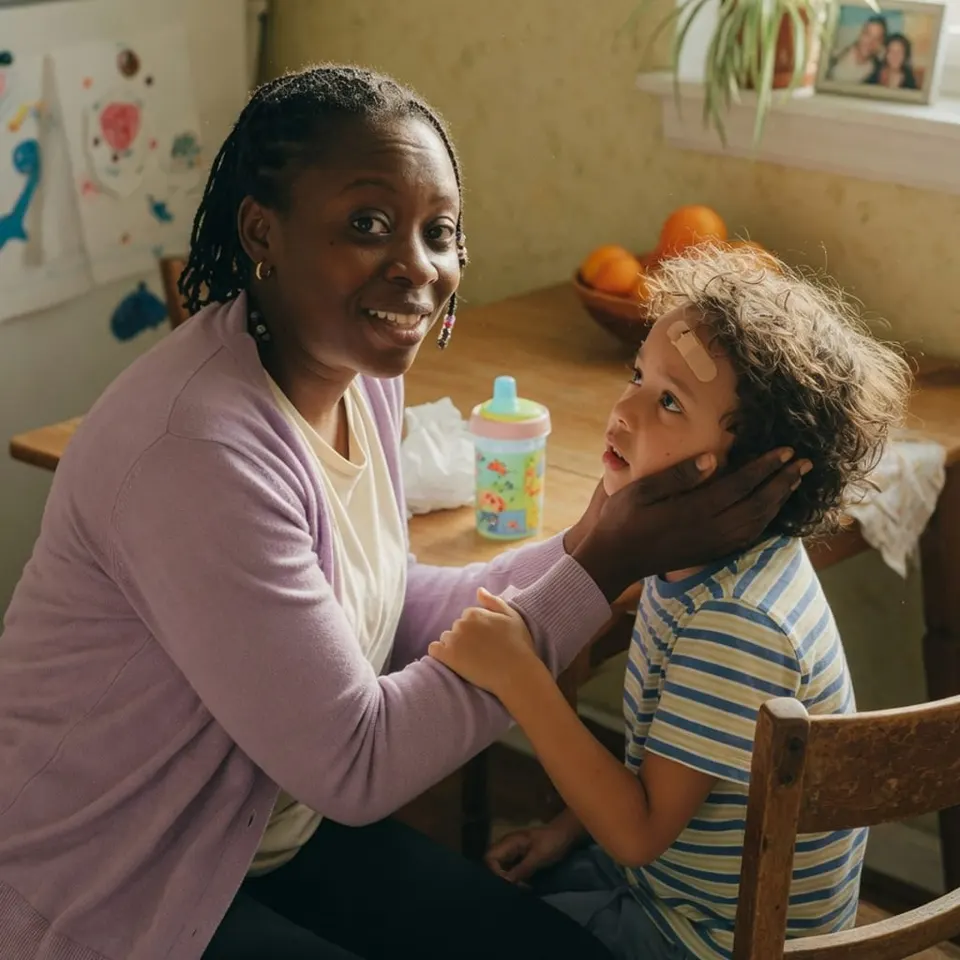
Regression is not something your child is doing on purpose. A warm, supportive home environment can make all the difference. ABA therapy works best when parents and caregivers are trained to use the same strategies at home.
Collaboration Between Therapists and Parents
Your BCBA will likely include parent training sessions as part of the program. You'll learn how to prompt your child gently, reinforce desired behaviors, and respond to challenging behaviors without escalating them. Consistency across settings (home, school, therapy) is key to helping your child feel secure.
School and Community Support
Talk to your child's school team about the regression. The individualized education program (IEP) can be adjusted to include additional support, such as a paraprofessional or speech therapy. Community resources like social skills groups or respite care can also help the whole family manage stress.
🔗 Related reading: Arizona Medicaid Waivers for Autism Services Guide · Apply for ABA
What to Expect from ABA Therapy During Regression
Assessment and Goal Setting
After the initial FBA, the BCBA will write specific, measurable goals. These might include increasing vocalizations, following two-step instructions, or engaging in parallel play with a peer. Goals are realistic and broken into manageable steps. You should see progress within weeks, though full recovery may take several months.
Data Collection and Progress Monitoring
ABA is data-driven. Therapists collect data during each session to track progress. If a strategy isn't working, they adjust it. You should receive regular updates and have the opportunity to ask questions. It's okay to express concerns-the therapy should be a partnership.
Duration and Intensity
The number of hours per week needed for regression can vary. Some children benefit from 10-20 hours of one-on-one therapy, while others need more intensive support. The BCBA will recommend a plan based on your child's unique needs. Remember, ABA is flexible-hours can change as your child improves.
Costs and Insurance Coverage for ABA Therapy
ABA therapy is widely covered by health insurance, including many Medicaid plans. In most states, insurers are required to cover medically necessary autism treatments for children. However, coverage details vary. Many plans require a diagnosis of autism spectrum disorder and a prescription from a doctor. Our free service helps families navigate these insurance questions. We can match you with providers who accept your specific plan, including Medicaid.
If you don't have insurance, some providers offer sliding-scale fees or payment plans. But the most affordable path is often through insurance. Our team can help you verify your benefits and find a BCBA-led provider that fits your budget.
How to Choose the Right ABA Provider for Regression
Not all ABA providers have experience with regression in older children. When searching, ask directly: Have you treated children with sudden skill loss at this age? A good provider will conduct a thorough assessment and create a personalized plan. Look for a BCBA with strong communication skills who involves the family in every step.
Our free matching service, Local ABA Therapy, helps you find vetted, BCBA-led providers in your area. We pre-screen each clinic for quality and experience. You tell us your needs, we handle the legwork. It's a no-cost way to access multiple options quickly.
Tips for Parents When Regression Happens
- Stay calm and patient. Your child can sense your stress. Take deep breaths and remember this is a phase that can improve.
- Rebook any lost skills gently. Don't force the old skill-reintroduce it in small, fun ways. If your child loved singing, try a simple song again.
- Maintain routines. As much as possible, keep the daily schedule consistent. Use visual aids if needed.
- Reach out for support. Talk to other parents, join support groups, or consult with a therapist for yourself. You need care too.
- Trust the process. ABA takes time, especially after a regression. Celebrate every small win.
You are not alone in this journey. With the right support-including BCBA-led ABA therapy-many children regain lost skills and continue to grow. Our free service is here to help you find that support.
Moving Forward with Hope
Sudden regression at age 9 can feel overwhelming, but it does not define your child's future. ABA therapy provides a structured, compassionate path to rebuilding skills. By partnering with a BCBA and using our free matching service, you can take concrete steps toward recovery. Start today by telling us about your needs, and we'll connect you with providers who understand regression and are ready to help.