ABA Therapy for a 2 Year Old: What to Expect

In short: ABA therapy for a 2-year-old is typically play-based, focusing on communication, social skills, and reducing challenging behaviors. Sessions involve a trained therapist and active parent coaching. Most insurance plans, including Medicaid, cover ABA for autism, and our free service can match you with a vetted BCBA-led provider.
Key takeaways
- ABA for toddlers uses natural play and everyday routines to teach skills.
- Parent training is a core component; you'll learn strategies to use at home.
- Early intervention (before age 3) can lead to significant developmental gains.
- Most private insurance and state Medicaid plans cover ABA therapy for autism.
Understanding ABA Therapy for a 2-Year-Old
Applied Behavior Analysis (ABA) therapy is a scientifically backed approach to understanding and changing behavior. For a 2-year-old, ABA is not about rigid drills or sitting at a desk. Instead, it is play-based, naturalistic, and designed to fit into your child's daily life. The goal is to build foundational skills like communication, imitation, and social interaction, while also reducing behaviors that may interfere with learning. At this age, the focus is on early intervention, which can make a profound difference in a child's development.
ABA therapy for toddlers is typically led by a Board Certified Behavior Analyst (BCBA) who designs a personalized plan. A trained therapist, often called a Registered Behavior Technician (RBT), works directly with your child. Sessions often happen in your home, at a clinic, or in a daycare setting, depending on what works best for your family.

🔗 Related reading: UnitedHealthcare ABA Coverage in Florida: A Guide · Nearby ABA Therapy
What to Expect in a Typical Session
Play-Based Learning
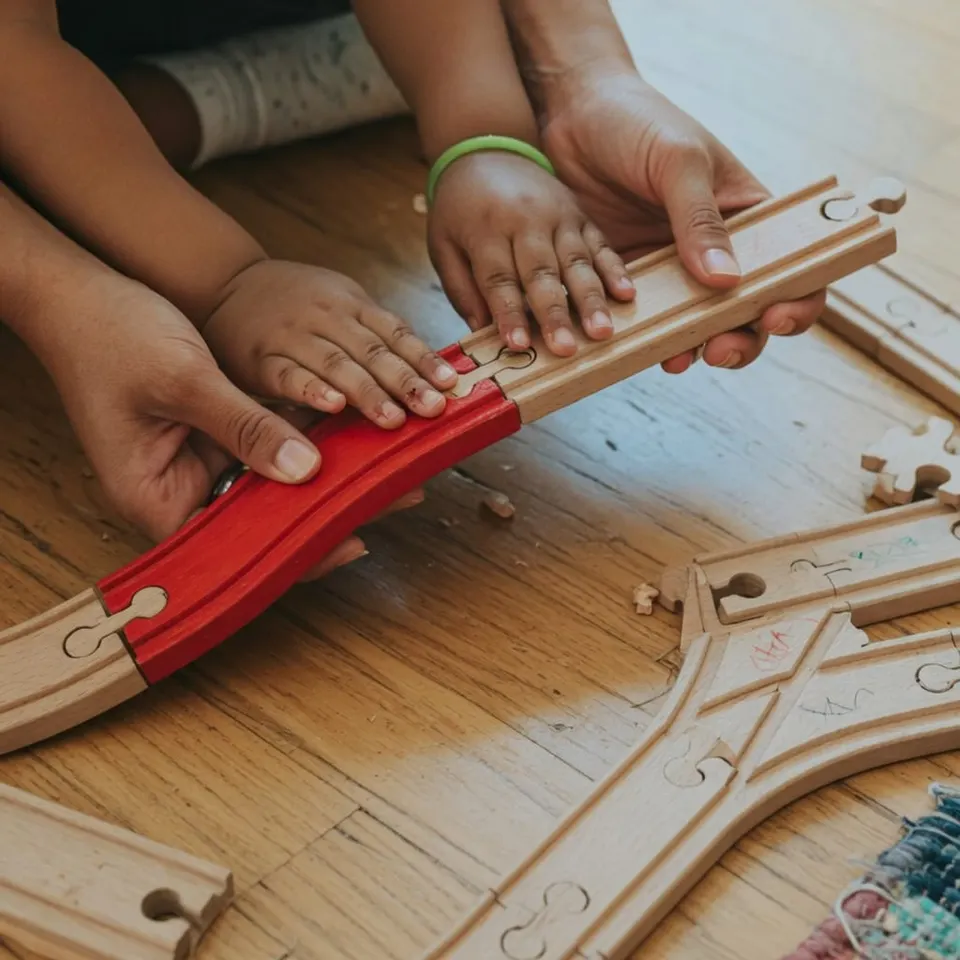
For a 2-year-old, play is the primary vehicle for learning. A therapist might engage your child with toys, bubbles, or songs to encourage eye contact, turn-taking, or requesting. For example, if your child reaches for a toy, the therapist might model the word "ball" and wait for a vocalization or gesture before handing it over. This is called incidental teaching, and it happens naturally throughout play.
Structured Activities
While play is central, there is also some structure. The therapist may use a visual schedule with pictures to help your child anticipate what comes next: first play, then snack, then a book. This reduces anxiety and builds routine. Activities might include matching shapes, sorting colors, or practicing simple instructions like "give me the cup."
Parent Involvement
Parents are not just observers; you are a key part of the team. The BCBA will train you on strategies to use during daily routines like mealtime, bath time, or getting dressed. You might learn how to prompt your child to say "more" or how to reinforce positive behaviors. This coaching helps skills generalize beyond therapy sessions.
Why Early Intervention Matters
Research shows that starting ABA therapy before age 3 can lead to significant improvements in language, social skills, and adaptive behavior. A 2-year-old's brain is highly plastic, meaning it can form new connections more easily. Early intervention can reduce the need for more intensive support later in life. It also helps parents feel more confident and less isolated.
Many families in areas like Los Angeles County, California, or Cook County, Illinois, have access to early intervention programs through their state's Part C services. Our free matching service can help you find a BCBA-led provider who specializes in toddlers, even if you are just starting the diagnostic process.
🔗 Related reading: Is ABA Therapy Covered by Medicaid in Florida? · Apply for ABA
Cost and Insurance Coverage
Insurance and Medicaid
ABA therapy is widely covered by private insurance plans, thanks to state mandates requiring autism treatment. Most plans cover ABA when it is prescribed by a doctor. Medicaid also covers ABA in many states, including programs like California's Medi-Cal or New York's Medicaid. Your out-of-pocket costs depend on your plan's deductible and copay. Some families pay nothing, while others may have a small copay.
If you are uninsured or underinsured, some providers offer sliding scale fees or grants. Our service is free, and we can help you find providers who accept your insurance or Medicaid.
Typical Hours and Duration
For a 2-year-old, ABA therapy often ranges from 10 to 20 hours per week. This may seem like a lot, but sessions are broken into shorter blocks, often 2-3 hours at a time. The BCBA will assess your child's needs and adjust the hours over time. Some children start with fewer hours and increase as they build tolerance.
Common Goals for a 2-Year-Old
- Communication: Using words, signs, or pictures to request items, protest, or comment.
- Social skills: Initiating interaction, sharing, and playing alongside peers.
- Imitation: Copying actions, sounds, or expressions, which is a building block for learning.
- Self-help: Beginning to feed themselves, put on shoes, or wash hands.
- Reducing challenging behaviors: Understanding why a behavior occurs and teaching a replacement skill.

How to Prepare Your Child and Yourself
Before Starting
Talk to your pediatrician about a referral for an autism evaluation if you have concerns. You do not need a formal diagnosis to start ABA in some states, but it helps with insurance. Gather any reports from early intervention or developmental specialists. Our free matching service can guide you through this process.
During Therapy
Be present and engaged. Ask the therapist to show you what they are doing and why. Keep a journal of what works at home and share it with the BCBA. Consistency is key; try to use the same strategies during daily routines.
Mistakes to Avoid
- Waiting too long: Early intervention is most effective. Do not delay seeking help because you are unsure of a diagnosis.
- Overloading the schedule: A 2-year-old needs downtime. Balance therapy with free play and rest.
- Ignoring parent training: The skills you learn are just as important as the therapy sessions. Attend every training session.
- Comparing your child to others: Every child progresses at their own pace. Focus on small wins.
- Not using insurance benefits: Check your plan's autism coverage. Many families have benefits they do not know about.
Finding the Right Provider
Choosing a BCBA-led provider who specializes in toddlers is crucial. Look for providers who use naturalistic teaching methods, offer parent training, and have experience with early intervention. Our free service can match you with vetted providers in your area, saving you time and stress. We work with families across the U.S. to connect them with high-quality ABA therapy that fits their needs and budget.
Remember, you are not alone. Thousands of families have navigated this journey, and support is available. Whether you are in a bustling city or a rural area, early ABA therapy can set your child on a path toward greater independence and joy.