ABA Therapy for 1-Year-Olds: A Parent's Guide to Early Intervention
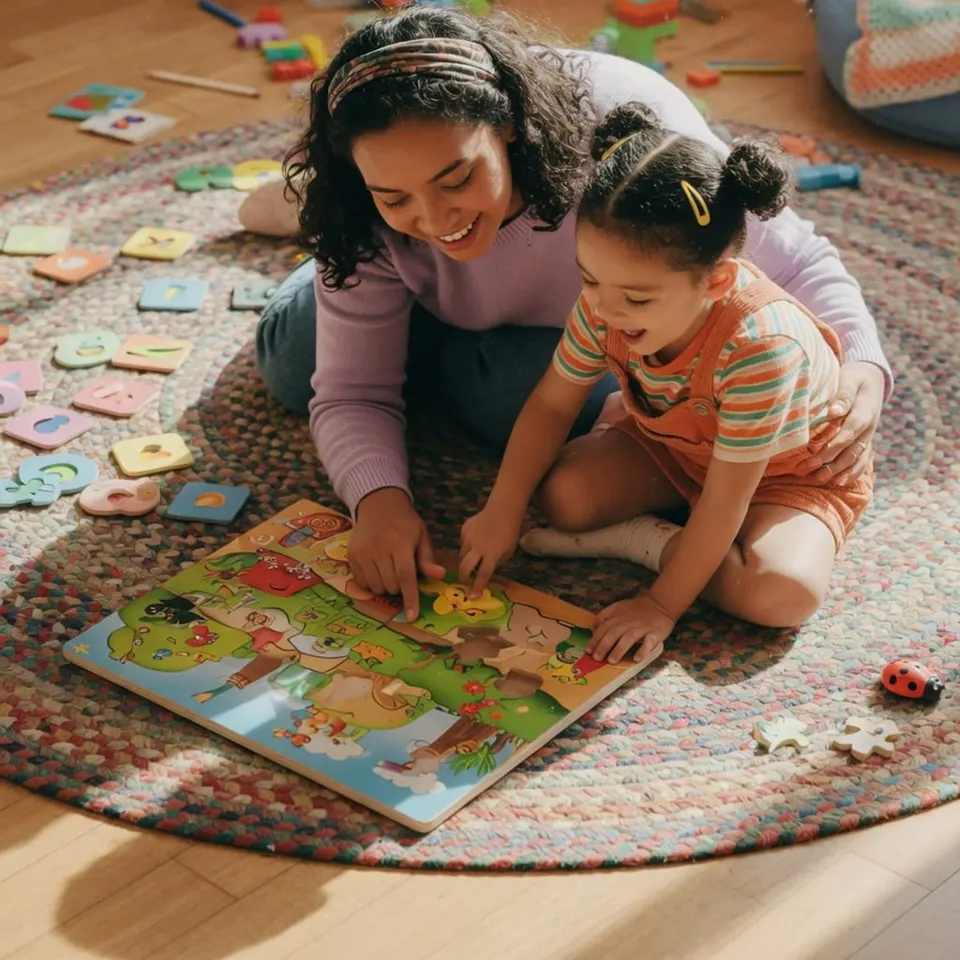
In short: ABA therapy for a 1-year-old focuses on building foundational skills like communication, social interaction, and adaptive behaviors through play-based, naturalistic strategies. Early intervention (birth to age 3) is crucial because a child's brain is most adaptable. Local ABA Therapy is a free service that helps you find a BCBA-led provider who accepts insurance, including Medicaid, so you can start support as soon as possible.
Key takeaways
- ABA therapy for toddlers uses play-based, naturalistic methods to encourage communication, social skills, and independence.
- Early intervention (before age 3) can significantly improve long-term outcomes because of the brain's high neuroplasticity.
- A BCBA (Board Certified Behavior Analyst) designs and supervises all ABA programs, ensuring individualized, evidence-based care.
- Many insurance plans - including Medicaid - cover ABA therapy for autism spectrum disorder, often with no out-of-pocket cost.
What Is ABA Therapy for a 1-Year-Old?
Applied Behavior Analysis (ABA) therapy is a scientifically proven approach to understanding and improving socially significant behaviors. For a 1-year-old, ABA looks very different from the table-top drills some may imagine. Instead, it's delivered through play-based, naturalistic interactions in the child's everyday environment - at home, in daycare, or during community outings.
The goal is to build foundational skills such as eye contact, joint attention, imitating sounds and gestures, requesting (verbally or non-verbally), and following simple directions. A BCBA (Board Certified Behavior Analyst) assesses your child's unique strengths and challenges, then designs a program that fits seamlessly into your family's routine. This early work can also help reduce challenging behaviors by teaching more effective communication.

🔗 Related reading: Does Cigna Cover ABA Therapy in Tennessee? (2025 Guide) · Nearby ABA Therapy
Why Early Intervention Matters So Much
The first three years of life are a period of incredible brain growth - often called a "critical window" for learning. During this time, neural connections form at an astonishing rate, making the brain highly adaptable. Research consistently shows that early intervention for autism can lead to significant gains in language, cognitive ability, and social skills, and can even reduce the severity of autism symptoms over time.
For a 1-year-old, ABA therapy doesn't just teach skills; it helps shape the developmental trajectory. By addressing delays and promoting positive behaviors early, many children require less intensive support later in life. That's why pediatricians often recommend an evaluation if a child shows red flags like avoiding eye contact, not responding to their name, or limited babbling by 12 months.
Common Signs That Might Prompt an Early Intervention Evaluation
- No babbling or pointing by 12 months
- Little to no eye contact or shared smiles
- Not responding when name is called
- Loss of language or social skills they once had
- Strong preference for alone time or unusual repetitive movements
If you notice any of these, talk to your pediatrician and ask for an evaluation through your state's Early Intervention program (often called "Part C" under IDEA). These evaluations are free or low-cost, and can lead to services like ABA, speech therapy, or occupational therapy.
What Does ABA Look Like for a 1-Year-Old?
ABA for toddlers is all about embedding learning into natural activities. A typical session might look like this:
Play-Based Skill Building
The therapist follows your child's lead with toys and activities that interest them. During play, they model sounds, encourage imitation, and reinforce any attempt at communication - a point, a sound, or a word. For example, if your child reaches for a ball, the therapist might say "ball!" and gently guide their hand to point, then hand over the ball as a natural reward.
Natural Environment Teaching (NET)
Sessions happen where your child naturally spends time: on the living room floor, in the backyard, or during bath time. The BCBA trains parents and caregivers to carry over strategies throughout the day, so learning is consistent and functional.
Focus on Communication
Many 1-year-olds referred for ABA are not yet speaking. Therapists use augmentative and alternative communication (AAC) tools like picture cards or simple sign language if needed. The priority is giving the child a way to express wants and needs, which drastically reduces frustration and tantrums.
Data-Driven Progress Tracking
Contrary to the myth that ABA is cold or robotic, modern, compassionate ABA relies on positive reinforcement and is constantly adjusted based on data. The BCBA collects objective data each session - how many times your child imitated a sound, how often they made eye contact - and tweaks the program to keep it challenging but achievable.

🔗 Related reading: Autism IEPs & School Services in Washington Guide · Get ABA Therapy
Costs and Insurance Coverage for ABA Therapy
ABA therapy can be expensive without coverage - often $50-$150 per hour - but the good news is that it is widely covered by insurance. The Affordable Care Act requires most health plans to cover autism-related services, and 49 states (including the District of Columbia) have mandates for ABA coverage.
Medicaid and CHIP
If your family qualifies for Medicaid or the Children's Health Insurance Program (CHIP), ABA is almost always covered with no copay or deductible. Many states have specific autism waiver programs that fund intensive early intervention. Your Local ABA Therapy matching specialist can help explain your specific state's benefits.
Private Insurance
Most employer-sponsored plans and marketplace plans include ABA benefits. However, coverage levels vary - some require a deductible, others have visit limits. It's important to check with your insurer and ask: "Does my plan cover medically necessary ABA therapy for autism? What is my copay or coinsurance?" The free matching service can also vet providers who work with your specific plan.
Early Intervention Programs
State-run Early Intervention services (for children under 3) are free or provided on a sliding scale. These programs may offer ABA directly or coordinate with private providers. Even if you have private insurance, you can still access Early Intervention for evaluation and case management.
How to Find the Right ABA Provider for Your Toddler
Finding a qualified, compassionate provider for a 1-year-old can feel overwhelming. You want someone who specializes in early childhood, uses play-based techniques, and respects your family's values. Here's how to get started:
Start with a Free Matching Service
Local ABA Therapy exists specifically to make this process easier. You share a few details about your child's needs, your location, and your insurance - and we match you with vetted, BCBA-led providers who have availability and experience with toddlers. There's no cost to you; the service is funded by the providers. This saves you hours of research and phone calls.
Questions to Ask When Interviewing Providers
- Is the program overseen by a BCBA who works directly with infants and toddlers?
- How do you incorporate parent training into the program? (Parent involvement is key at this age.)
- What does a typical session look like? Is it play-based and naturalistic?
- Do you accept my insurance? What are the authorizations needed?
- How do you measure progress, and how often will we review the data?
Trust Your Instincts
A good ABA provider will make you feel like a partner, not a bystander. They should welcome your observations, respect your cultural background, and never push harsh methods. If something feels off, keep looking. The right team can transform your family's experience.

Common Mistakes to Avoid in Early ABA Therapy
Even with the best intentions, parents can fall into some traps. Here are a few to watch out for:
- Waiting too long to start: Some parents hesitate, thinking "Maybe he'll grow out of it." Early intervention works best if started early. Get an evaluation as soon as you have concerns.
- Choosing an unqualified provider: Not all therapists have the same training. Ensure a BCBA designs and supervises the program. Avoid "ABA technicians" working without proper oversight.
- Skipping parent training: At this age, you are your child's most important teacher. Providers should spend a portion of each session coaching you on strategies to use throughout the week.
- Ignoring your own well-being: Early intervention is a marathon, not a sprint. Take care of your mental health, connect with other parents, and lean on support networks. A healthy parent is a better advocate.
How Local ABA Therapy Makes a Difference
Navigating the world of autism services is challenging, especially when your child is only one year old. You're likely juggling doctor's appointments, evaluations, and emotions. Local ABA Therapy is here to simplify one piece of that puzzle.
By using our free matching service, you skip the cold calls and endless online searches. We maintain a network of BCBA-led providers who are licensed, insured, and committed to high-quality, ethical care. We help you find providers who have openings for toddlers, accept your insurance (including Medicaid), and align with your scheduling needs.
Best of all, we stick with you. If a provider isn't the right fit, we can help you explore other options. There's no obligation - just support as you find the right path for your child.
Frequently Asked Questions About ABA for 1-Year-Olds
(Note: The FAQ section appears below in the structured data as per the output requirements. The body content ends here.)